Plastics & Injection Molding Chillers
← All Industries Plastics Manufacturing

Plastics & Injection Molding Chillers

Injection molding chillers and mold cooling systems sized to reduce cycle times and improve part quality across injection, blow, and extrusion processes.

View Recommended Chillers
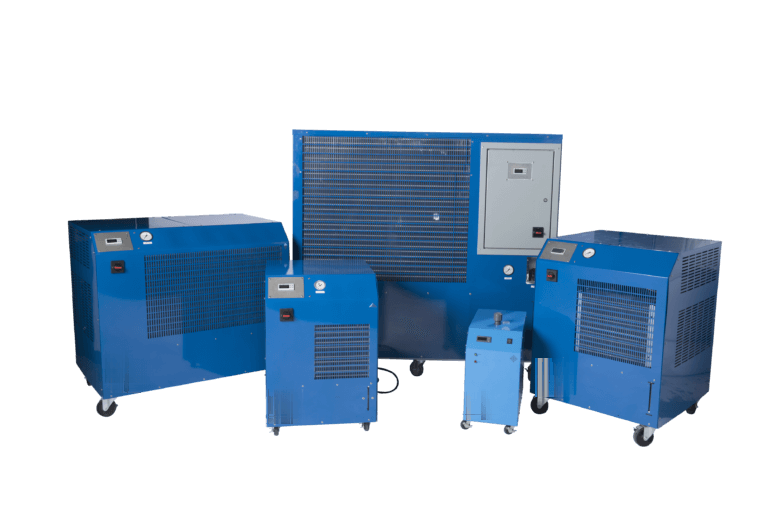
Why Chillers Matter

The Chiller's Role in Injection Molding

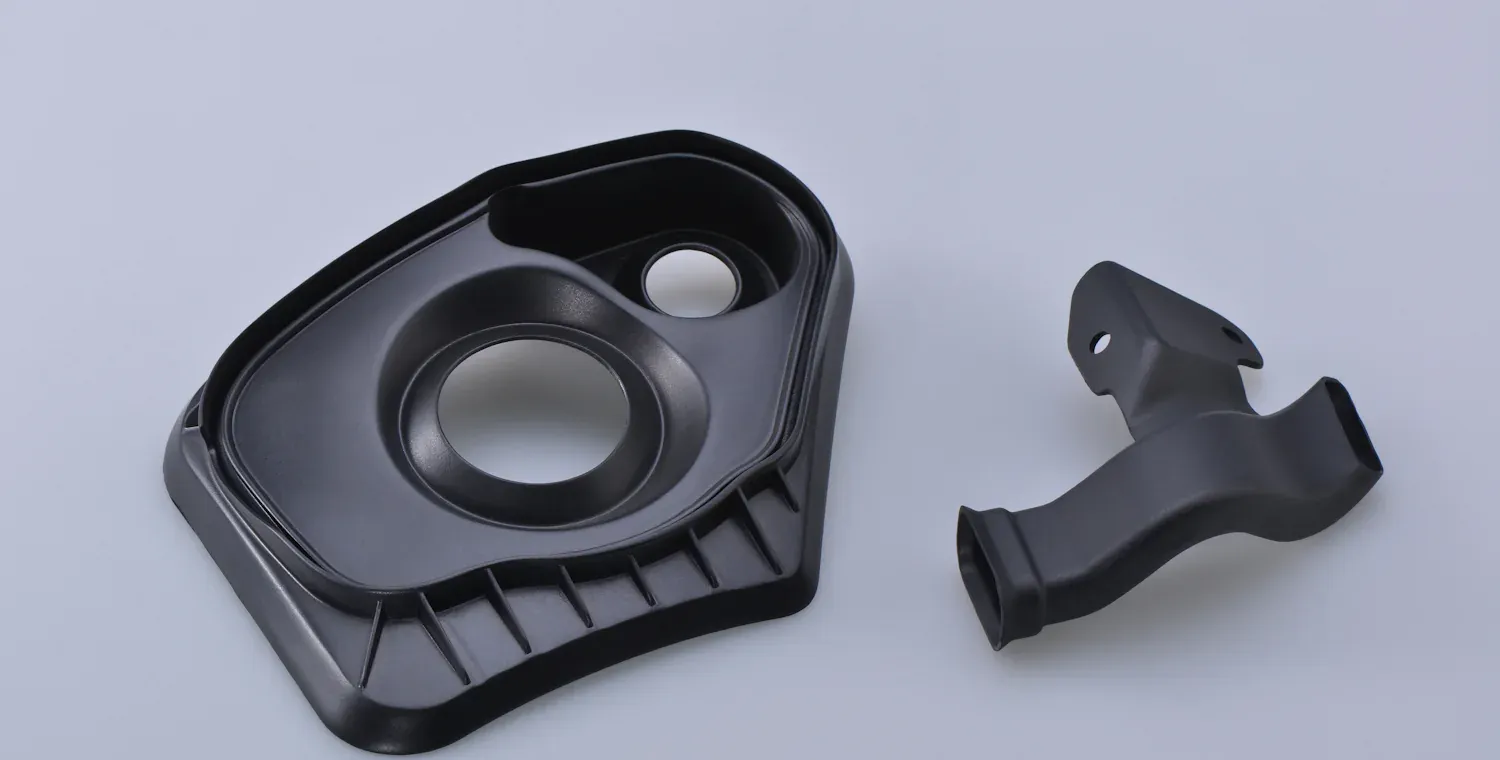
The injection molding cycle is dominated by cooling time — typically 50–70% of total cycle time is spent waiting for the molded part to cool enough to eject without warping. A chiller circulates fluid through channels machined into the mold, pulling out the heat generated by the injected plastic and enabling faster cycles. A 5°F rise in mold temperature can extend cycle time by 10–15%, directly cutting throughput on every machine running that mold.

Temperature uniformity across the mold face prevents warping, sink marks, and dimensional inconsistency that require scrapping parts. For high-precision or optical-grade parts — automotive, medical, consumer electronics — the chiller is what determines whether the part passes tolerance or goes in the waste bin. Getting the cooling right isn't an optimization; it's a production requirement.

Process Cooling

The Cooling Challenge

Common process cooling problems in Plastics Manufacturing and why getting the chiller right matters.

Inconsistent Mold Temperatures

Temperature variation across the mold surface causes warping, sink marks, and dimensional inconsistency. Proper chiller sizing and distribution design is the foundation of consistent part quality.

Long Cycle Times

Inadequate cooling capacity directly extends cycle times. Many facilities run undercooled because their process chiller was undersized or shared across too many machines.

Multi-Machine Cooling Demands

Running multiple injection molding machines from a single central chiller requires careful load analysis. When machines cycle simultaneously, instantaneous demand can far exceed the average load.

Where the Chiller Connects

Equipment We Cool in Plastics & Injection Molding

Our chillers integrate directly with the process equipment that Plastics and Injection Molding relies on. These are the systems we most often cool — each with its own temperature target, flow, and failure mode we size for.

Injection molding machines

The chiller cools molds to cut cycle time and hold part quality.

Blow molding

The chiller sets part temperature for wall thickness and clarity.

Extrusion lines

The chiller cools the melt and calibration to hold profile dimensions.

Mold temperature controllers

The chiller pairs with the chiller for precise tool-temperature control.

Chiller Selection

Recommended Chillers

Chiller systems most commonly matched to Plastics Manufacturing applications.

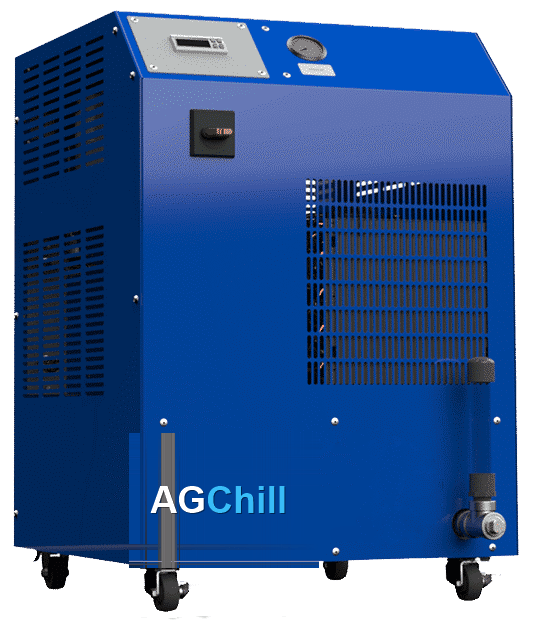
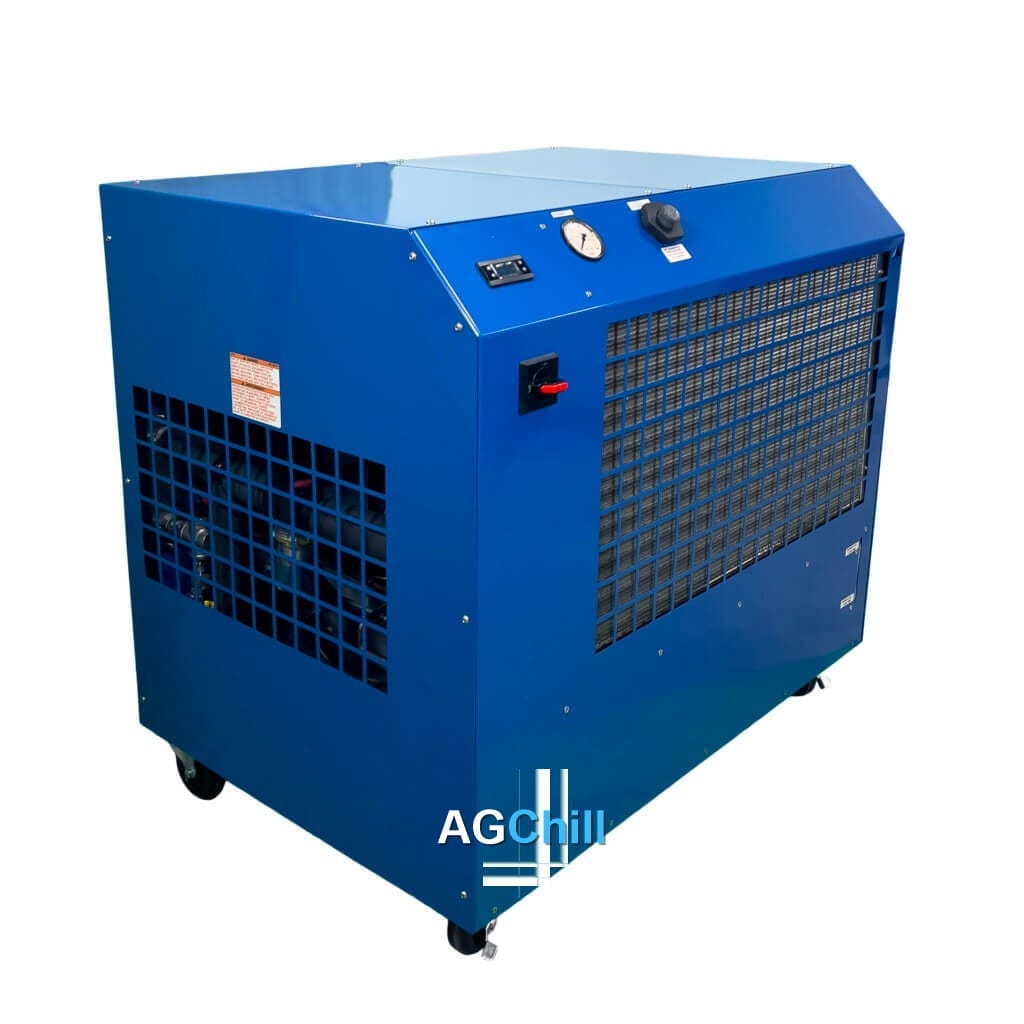
Portable Mold Chiller

Portable Mold Chiller

50F / 10C

1-15 Ton

Dedicated point-of-use chillers for individual molding machines. Precise temperature control with fast response to mold heat load changes during production runs.

Get a Quote
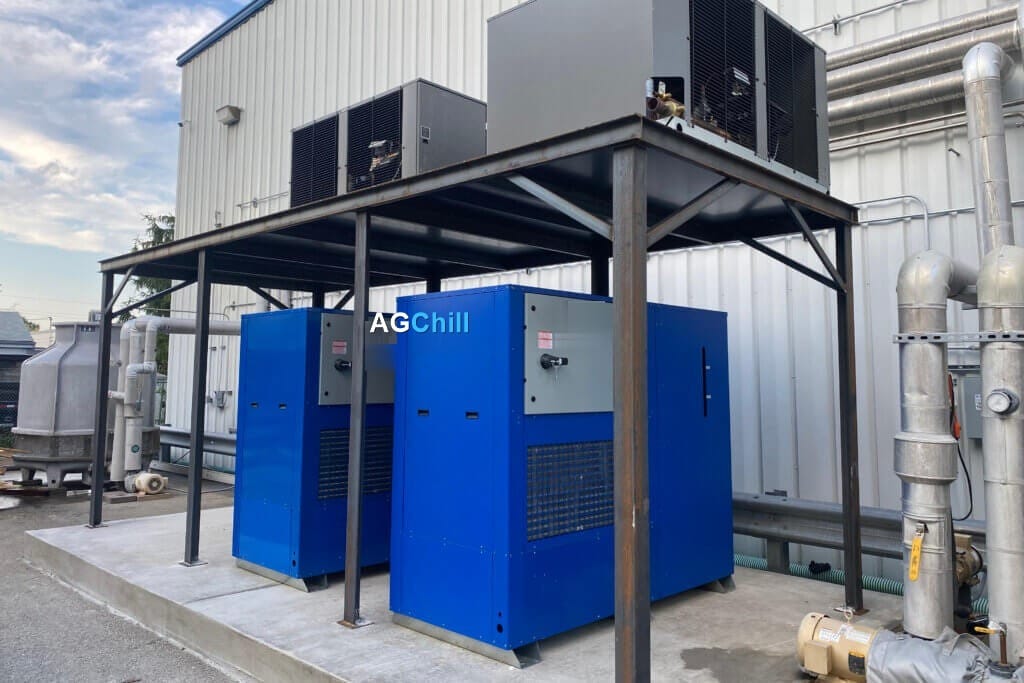
Central Process Chiller

Central Process Chiller

45F / 7C

10-50 Ton

Centralized cooling for molding floors with multiple machines. Designed with proper distribution to handle simultaneous machine cooling demands without temperature compromise.

Get a Quote
LT Series

LT Series

10F / -12C

1/2-30 Ton

Low-temperature cooling for specialty applications like hot runner systems, rapid cooling cycles, or processes where sub-ambient mold temperatures improve cycle time significantly.

Get a Quote
What's at Stake

What Happens When the Chiller Fails

In injection molding, chiller failure doesn't just stop production — it starts generating scrap immediately.

Chiller failure mid-production causes immediate mold temperature creep. As the mold warms by 8–10°F, cycle times lengthen and part quality degrades: gates stick, parts warp, sink marks appear, and dimensional tolerances open up. A high-speed multi-cavity press running 24/7 loses 500–2,000 parts per hour of revenue when cycle time extends due to inadequate cooling. Sourcing a replacement chiller typically means 4–48 hours of downtime. For OEM suppliers, missed delivery windows trigger contractual penalty clauses and risk contract cancellation entirely.

15%

Cycle time increase caused by a 5°F mold temperature rise

4–48 hrs

Typical downtime to diagnose failure and source a replacement

2,000/hr

Parts per hour lost on a high-speed multi-cavity press

Who This Is For

We Work With All Stages of the Buying Process

Whether you're researching options or ready to order, AG Chill can help.

Researching Options

Plant managers and tooling engineers at injection molding shops evaluating mold cooling options. Typically searching for injection molding chiller sizing, cycle time optimization, and mold temperature control systems.

Comparing Systems

Operations managers at mid-size molding facilities evaluating central chiller options. Focused on GPM capacity for multi-cavity molds, ±2°F setpoint accuracy, 24/7 duty cycle reliability, and the ability to expand as new presses are added.

Ready to Specify

Owners and VP-level operations leaders at established molding operations. Need proven track record with high-speed presses, redundant chiller options for critical molds, service contracts with guaranteed response time, and quick-connect fittings for mold changeouts.

Why AG Chill

How We Compare to the Alternatives

Most injection molding chillers are general-purpose process chillers. AG Chill sizes for simultaneous multi-machine demand and 24/7 duty cycles.

Sized for Multi-Machine Demand

General process chiller distributors size on individual machine demand. AG Chill evaluates simultaneous load across your entire floor — because when all presses cycle at once, a chiller sized for average load will fall short and cycle times will creep up across every machine.

No OEM Lock-In

Injection molding machine manufacturers bundle proprietary chillers at premium prices — and restrict service to their authorized channels. AG Chill delivers equivalent or superior cooling as a standalone system with full serviceability and no vendor lock-in.

Built for 24/7 Continuous Duty

Used and refurbished industrial chillers are tempting at low upfront cost, but they were not built for continuous-duty molding floor demands and carry no warranty. AG Chill systems are rated for 24/7 operation and backed by a real warranty and support infrastructure.

USA Manufacturing

Parts availability and service response matter when a chiller goes down in the middle of a production run. AG Chill manufactures in Salt Lake City — fast parts availability, no import delays, and direct support without going through a distributor chain.

Knowledge Base

Related Articles

Buying guides and technical resources for Plastics Manufacturing process cooling.

Chillers for Injection Molding

Chillers for Injection Molding

Mold cooling, cycle-time impact, temperature precision, and sizing a multi-machine floor.

Read the Guide ›
How to Size an Industrial Chiller

How to Size an Industrial Chiller

Heat load, flow rate, temperature differential, and ambient — how each one drives the size you actually need.

Read the Guide ›
Air-Cooled vs Water-Cooled Chillers

Air-Cooled vs Water-Cooled Chillers

Installation, operating cost, maintenance, and application fit — which setup makes sense for your facility.

Read the Guide ›
Customer Results

Case Studies

Real-world results from Plastics Manufacturing customers.

Case Studies Coming Soon

We are actively documenting customer results from Plastics Manufacturing installations. These will be published here as case studies are completed. Have a project to discuss? We are happy to talk through your application.

Discuss Your Application
Get Started

Ready to Spec the Right Chiller?

Tell us your target temperature, flow rate, and heat load. AG Chill will identify the right system for your Plastics Manufacturing application.

Start Chiller SelectorTalk to an Engineer
FAQ

Common Questions

Why do injection molders need a chiller?

The chiller cools molds to set cycle time and hold consistent part quality; steady mold temperature is what keeps dimensions and finish repeatable.

What happens if mold cooling is inconsistent?

Cycle times climb, parts warp or vary dimensionally, and scrap rates rise.